 Drum and tote filling systems-drum filling machine







News Center
Automatic filling machine news
30+ years of technology accumulation, is your reliable choice
Search the whole station
Automatic filling machine news
30+ years of technology accumulation, is your reliable choice

An automatic drum filling machine is industrial equipment designed to fill liquids into drums, barrels, and large containers with precise volume or weight control, minimal manual handling, and consistent output across production batches. This liquid surface multi purpose filling machine is built to handle a wide range of liquid types, from thin fluids to thick, viscous, and corrosive substances, making it suitable for chemical, agricultural, and industrial packaging lines.
Manufacturers, distributors, and production facilities that need to package liquids in bulk quantities often search for a filling solution that can adapt to multiple product types without requiring separate machines for each application. This is exactly the gap that a multi purpose filling machine fills. Instead of investing in individual equipment for every liquid category, one system can be configured to handle several formulations, reducing capital cost and floor space requirements.
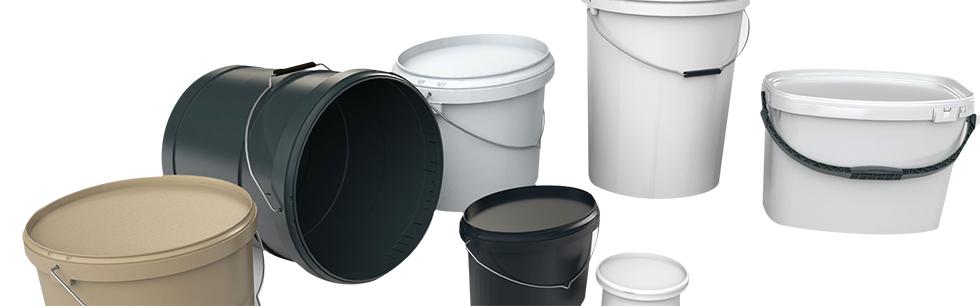


The core advantage of this equipment lies in its adaptability. It is engineered to work with liquids of varying viscosity, chemical composition, and container size, which is why the same platform is used across several product lines, including:
Because the filling head and control system can be adjusted, the same base machine supports different container sizes and material types, from small containers up to large industrial drums.
An automatic drum filling machine typically follows a straightforward operating sequence, which answers one of the most common questions buyers ask before purchasing:
This process reduces spillage, improves fill accuracy, and significantly increases throughput compared to manual filling methods.
This equipment is suited for facilities that regularly fill:
Because different liquids demand different handling, machines are commonly built or selected based on container capacity and liquid type, such as:
For liquids such as acids, coatings, and chemical concentrates, standard filling equipment can wear down quickly or produce inconsistent fill levels. An anti corrosion filling machine addresses this by using materials and components resistant to chemical degradation, extending equipment lifespan and maintaining accuracy over repeated use. This is particularly important for facilities packaging liquids that would otherwise damage standard stainless steel or rubber seals over time.
Fill accuracy is equally important from a cost and compliance standpoint. Overfilling wastes product and increases material cost per unit, while underfilling can create regulatory or customer trust issues. A well calibrated volumetric or weighing based system keeps fill levels within a tight tolerance, which is often a deciding factor for buyers comparing filling equipment.
Businesses that typically require an automatic drum filler include:
Alongside the automatic drum filler, the same manufacturer offers a broader catalog of filling equipment, including liquid fertilizer filling machines, polyether filling machines, liquor filling machines, anti corrosion filling machines, and submersible filling machines. Each machine can be configured according to container size, liquid viscosity, and required output speed.
Full after sales service and technical support are provided, covering installation guidance, spare parts, and troubleshooting, so that production downtime is minimized after the equipment is deployed.
When selecting a filling machine, buyers generally consider the following factors:
Matching these factors to the correct machine configuration ensures consistent filling performance and reduces long term maintenance costs.
